
Organizing a wedding involves logistics comparable to that of a small professional event. The cost per guest, ranging from 80 to 150 euros for variable items, is now the benchmark for building a realistic budget. Here are 14 concrete tips, prioritized, to structure each step without unpleasant surprises.
1. Think in terms of cost per guest rather than overall budget

Setting a total budget without relating it to the number of guests leads to vague trade-offs. A wedding with 100 guests typically ranges from 12,000 to over 25,000 euros depending on the level of service.
Dividing each item (caterer, drinks, venue rental) by the expected number of people helps identify the most significant costs. The caterer often represents the largest share, and this is where the difference between quotes can reach several thousand euros.
To delve deeper into each aspect of planning, specialized resources like conseils-mariage.net detail budget items with concrete benchmarks.
2. Book the caterer and photographer ten to twelve months in advance

Caterer and photographer slots are among the most sought after on high-season Saturdays, from May to September. Industry professionals now recommend booking ten to twelve months in advance to secure these two providers.
A timeline starting only six months before the big day exposes you to default choices, on less sought-after slots or with providers less suited to your expectations.
3. Create the guest list before choosing the reception venue

The number of guests determines the venue’s capacity, the volume of the caterer, and the table configuration. Validating this list in advance avoids booking a venue that is too large or, conversely, having to turn away loved ones due to lack of space.
Classify your guests into two circles: those whose presence is non-negotiable, and those you wish to invite if the budget allows. This hierarchy simplifies adjustments when quotes come in.
4. Negotiate a reception venue with on-site accommodation

The trend towards weddings spread over two days or more changes the choice of venue. A property offering on-site rooms reduces transport logistics and allows guests to enjoy the next day without time constraints.
A venue with integrated accommodation simplifies the management of key moments: Sunday brunch, weekend activities, staggered departures. Any additional cost is often offset by savings on shuttles and nearby hotels.
5. Set the date by cross-referencing three availabilities

The wedding date results from cross-referencing the availability of the reception venue, the town hall, and your priority guests. Blocking the venue first, then confirming the slot at the town hall, remains the most efficient order.
A wedding on a weekday or off-season (October to March) opens access to reduced rates with most providers, sometimes significantly.
6. Choose the ceremony format according to your beliefs

Mandatory civil ceremony, religious ceremony, secular ceremony: each format involves different procedures and timelines. The visit to the town hall remains the only legally recognized act in France.
The secular ceremony, which is gaining popularity, requires an officiant, a suitable venue, and a custom script. Planning this format requires personal writing work that many couples underestimate in terms of time.
7. Compare at least three catering quotes on the same basis
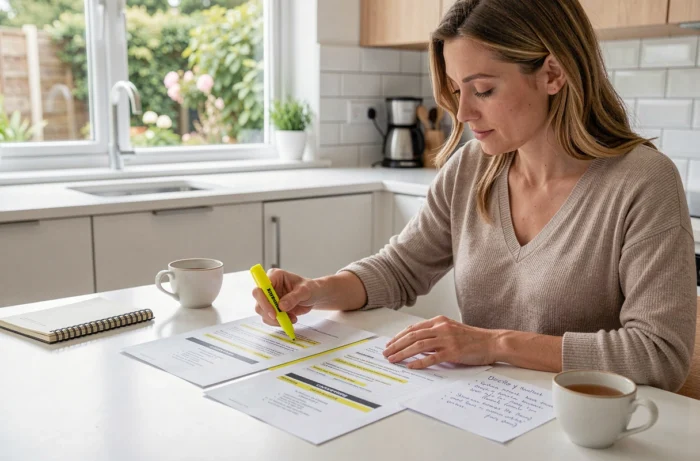
For the comparison to be reliable, submit the same specifications to each caterer: number of guests, type of service (seated or buffet), number of cocktail pieces, drinks included or not.
- Check if the price includes dishes, service staff, and cleaning
- Ask for the cost of the children’s menu, often charged separately
- Specify cancellation conditions and deadlines for confirming the final number of covers
8. Anticipate decoration in relation to the venue

Decoration directly depends on the architecture and environment of the chosen venue. A property with exposed stone does not require the same floral work as an industrial loft.
Visit the venue with your florist or decorator before finalizing a theme. Adapting the decoration to the existing setting reduces costs and produces a more coherent result than imposing a visual universe unrelated to the space.
9. Compile a complete administrative file as soon as you get engaged
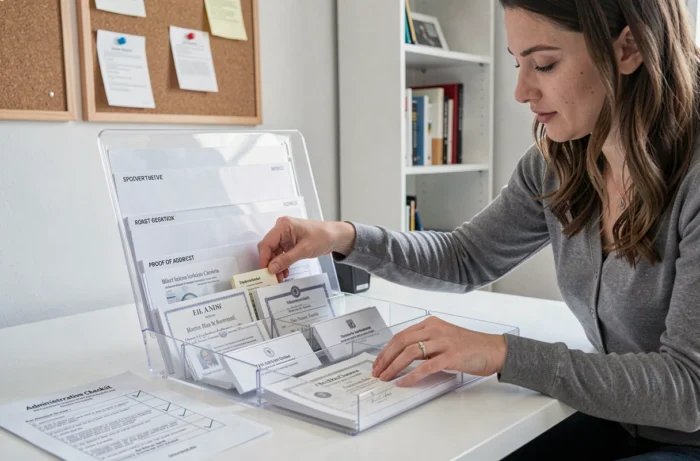
The documents required by the town hall (birth certificates less than three months old, proof of residence, witness attestations) take time to gather, especially if one of the partners was born abroad.
Starting the process as soon as the decision to marry is made avoids delays in publishing the banns, which must be posted at least ten days before the civil ceremony.
10. Plan a reverse timeline from the big day

An effective reverse timeline starts from the wedding date and works backward month by month. The items to book first (venue, caterer, photographer) occupy the top lines, followed by providers whose availability is less critical (DJ, florist).
Each month should include a maximum of two to three tasks to avoid bottlenecks in the final weeks.
11. Allow a budget margin for unforeseen expenses
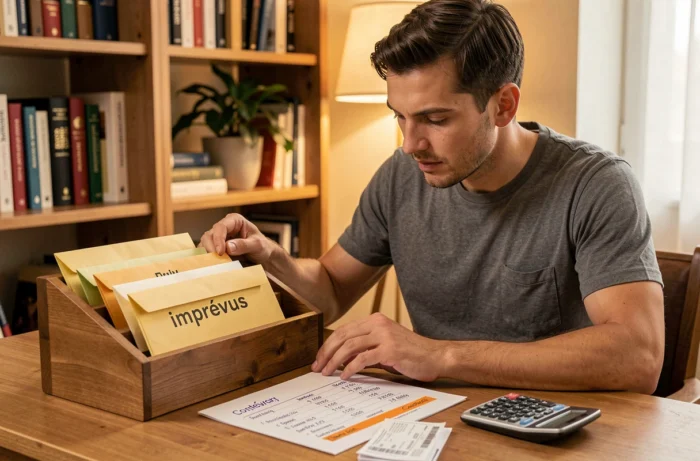
Last-minute additional guests, bad weather requiring a backup solution, breakage or delivery delays: unforeseen events are common. Setting aside a dedicated envelope, separate from the main budget, absorbs these extra costs without disrupting the planned items.
12. Coordinate providers with a schedule for the big day

On the wedding day, each provider needs to know when to intervene, where to set up, and who to coordinate with. A single document, sent to everyone a week in advance, summarizes the schedules, contacts, and access to the venue.
Without this shared schedule, delays accumulate. A thirty-minute delay on the cocktail can compress the dancing or dessert time.
13. Delegate on the big day to a coordinator or a designated witness

On the day of the ceremony, the couple cannot simultaneously manage providers, guests, and unforeseen events. Entrusting coordination to a wedding planner or a well-briefed witness frees the couple from logistics.
This single point of contact centralizes calls, directs deliveries, manages delays, and makes minor decisions without consulting the couple.
14. Send invitations and manage confirmations with a centralized tool

Scattered confirmations via SMS, emails, and phone calls make tracking chaotic. A shared spreadsheet or dedicated online tool allows you to track responses, dietary requirements, and accommodation needs in one place.
- Send invitations at least four months before the date
- Set a clear response deadline, ideally two months in advance
- Personally follow up with non-respondents one week after the deadline
The final number of guests, communicated to the caterer and furniture rental company, directly results from this tracking. A rigorous follow-up of confirmations avoids last-minute extra costs related to excess or, worse, insufficient covers ordered.